Frankenstein
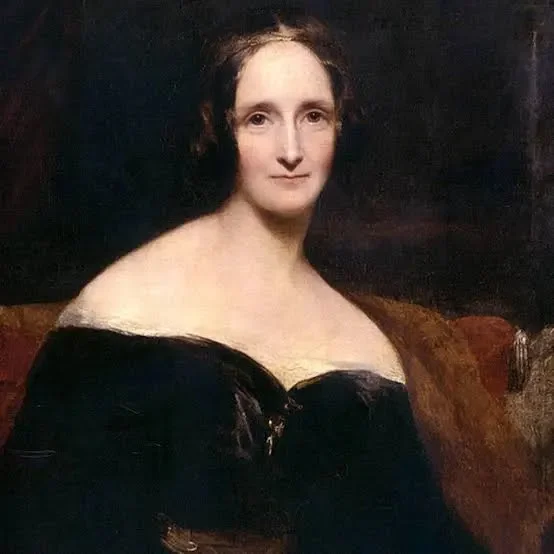
Author: Mary Shelley
Originally Published: 1818
Rating: ★ ★ ★
written by: Tina Nguyen | date: 23rd February, 2026
Humans saw it as ‘a monster’ that they needed to get rid of. But the real ‘monsters’ are humans ourselves.
What is it like to be human? And what is even humanity? Is the idea of existing in this world as beautiful, magical, and magnificent as it all seemed through the lens of someone who was just “created”? Or was it filled with cruelty, loneliness, and segregation for the ones that looked “odd” and “disgusting”?
“Alas! Victor, when falsehood can look so like the truth, who can assure themselves of certain happiness?”
Robert Walton, the narrator who initiated and concluded the story of Frankenstein, shared the same struggles with the Creature – loneliness and a sense of abandonment. These are the most important bonds that formed an understanding and sympathy from Robert when listening to Victor’s story about his Creature.
“For a long time I could not conceive how one man could go forth to murder his fellow, or even why there were laws and governments; but when I heard details of vice and bloodshed, my wonder ceased, and I turned away with disgust and loathing.”
Mary Shelley’s ‘Frankenstein’ explores the purpose of humans in this cruel world, the imbalanced power dynamics of those who have voices, and how perceptions of others are quietly formed in society based on individual characteristics and appearances, dating back to the beginning of time.
“Accursed creator! Why did you form a monster so hideous that even you turned from me in disgust? God, in pity, made man beautiful and alluring, after his own image; but my form is a filthy type of yours, more horrid even from the very resemblance.”
The Creature’s cruelty and evil did not start within him when he was “born”, those actions were learnt through how others treated him, and especially, acted as a “payback” for how Victor Frankenstein had abandoned his son. The whole story emphasised that devilry and cruelty didn’t naturally exist in individuals, but were taught and observed over time and according to how an individual was treated.
Mary Shelley’s writing was immaculate for an 18-year-old, but unfortunately, I didn’t enjoy the book as much as I expected to. I still felt like some elements were missing and the book didn’t strike my soul and I wish I could say that I enjoyed it much more than this.